
Asian Weddings in Yorkshire: How to Honour Tradition without Losing Yourselves
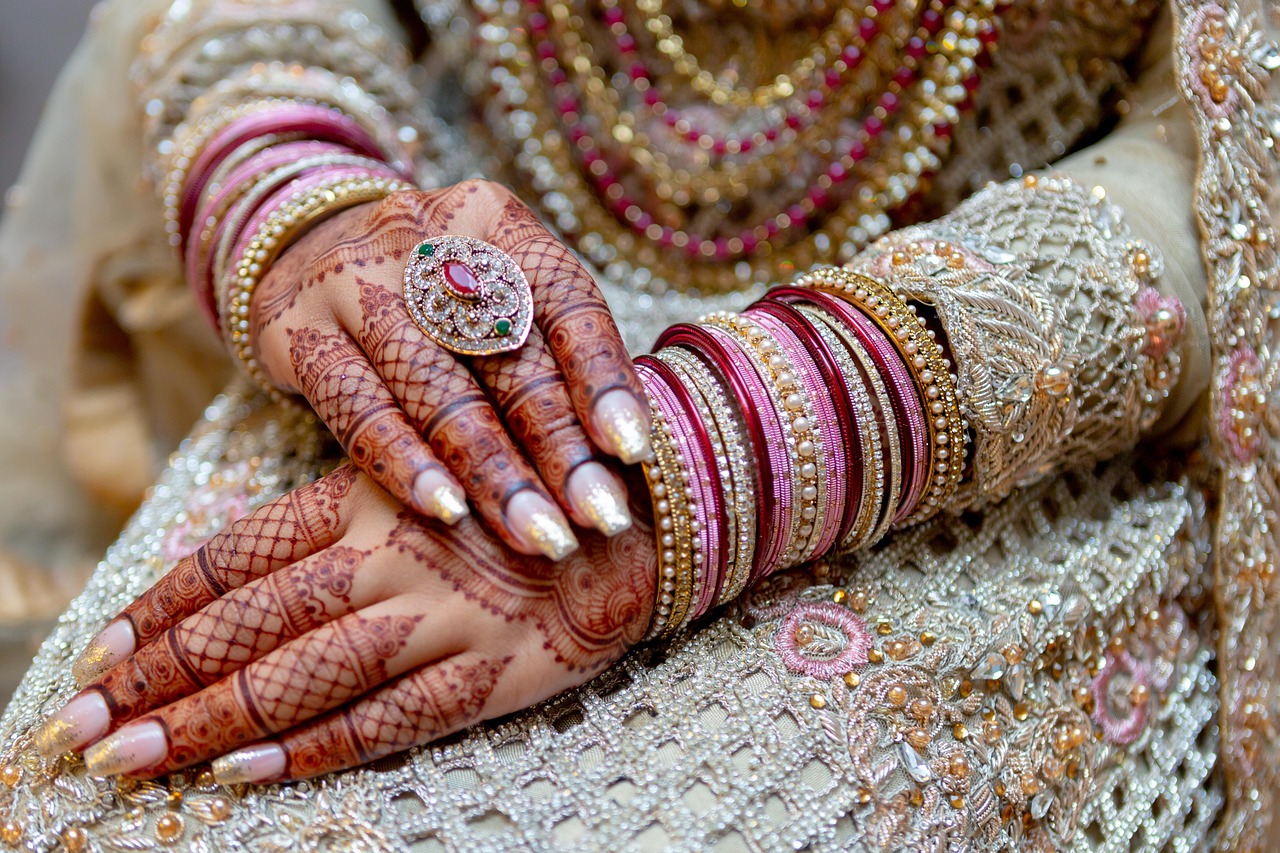
“What is an Asian wedding… and why are we talking about it like it’s different from just a wedding?”
Because “Asian wedding” is a shortcut people use when they really mean: a wedding shaped by family, friends, culture, community expectations, and often more than one ceremony across a few days.
But the truth is: there isn’t an Asian wedding.
There are weddings with South Asian backgrounds (and sometimes wider Asian backgrounds too) that cross religions, languages, regions, family histories, migration stories, and personal comfort levels. A Gujarati Hindu wedding doesn’t work the same way as a Bengali Hindu ceremony. A Pakistani Muslim nikah day won’t run like a Punjabi Sikh wedding. And even within the same faith, two families can practise in completely different ways.
So, when people plan “an Asian wedding,” what they usually need isn’t a label – it’s understanding. Because the only way to meet different people’s needs (without awkwardness, offence, or last-minute chaos) is to understand what matters to them: what’s religious, what’s cultural, what’s family tradition, and what’s just how it’s always been done in that household.
This piece is mainly for today’s young Asian couples getting married in 2026 – especially if you’re involved in your own planning, blending families, or working out what you want to keep (and what you’d rather gently update). It can also help venue teams and planners in Yorkshire who don’t work with these weddings every week and want a practical, respectful baseline.
At Cedar Court Hotels, we host hundreds of big days for couples of all faiths and culture, so you can call us the exerts on weddings in Yorkshire. Don’t forget to head to our wedding page after this blog if you’d like to find out what we have to offer for special moments.
Why should you host your Asian wedding in Yorkshire – and why does Bradford come up so often?
Yorkshire has long been home to big, established South Asian communities, and that history shapes weddings in very practical ways: who’s travelling, where elders feel comfortable, and where you can find suppliers who “get it” without needing a full briefing.
Bradford, in particular, is often part of the conversation because so many families have roots there (or nearby), and the community infrastructure is strong. In the 2021 Census, 32.1% of Bradford residents identified as Asian/Asian British, and 25.5% identified as Pakistani – one of the highest proportions nationally. You can explore these stats for yourself here.
That matters because it tends to correlate with things couples need: access to faith spaces, specialist catering, experienced makeup artists for melanin-rich skin tones, mehndi artists, dhol players, photographers who understand modesty preferences, and families who know where to park when a baraat arrives.
Across Yorkshire and the Humber, the “Asian/Asian British” share rose to about 8.9% in 2021. So, you’ll see strong communities beyond Bradford too (Leeds, Sheffield, parts of Kirklees, and more). Take a look at the Bradford census here for more information.
None of this means everyone must marry in Bradford. It’s just one reason it often works in real life: family ties + familiarity + fewer logistics battles.
If you are looking to get married in Bradford, Cedar Court Bradford offers the perfect modern wedding venue, with an event manager to help you plan each and every step to your perfect wedding day. Find out more here about planning your Asian wedding in Bradford.
Who this guide to Asian weddings in Yorkshire is for (and how to use it)
If you’re a couple who:
• grew up in Yorkshire (or your parents did),
• want to respect religion and culture,
• don’t necessarily live every tradition day-to-day,
• or you’re planning an inter-ethnic or interfaith wedding and want to do it with care…
…think of this as a planning map, not a rulebook. You’ll see “could” on purpose – because what matters is intent + clarity + kindness, not perfection. Brides strive for perfection, but the perfect wedding is what is perfect for you and your family. We’re here not to help you meet perfection, but to host your ideal wedding.
Five conversations to have early in planning your Asian wedding
These are the chats that save couples the most stress later. You don’t need to solve everything in one sitting. But getting the topics on the table early makes the rest feel lighter.
1) What parts are faith, what parts are culture, and what parts are ‘our family’?
Most relevant for: Interfaith couples, couples from different regions (e.g., Pakistani + Indian, Punjabi + Gujarati), and anyone who’s hearing “we have to do it this way” from multiple directions.
A helpful way to frame it is:
• Faith requirements (non-negotiables for the ceremony to be valid in your tradition)
• Cultural traditions (meaningful, optional, varies by community)
• Family traditions (specific to your household — often the loudest expectations)
You could ask each side’s parents (or key elders):
“What are the three things you’d feel heartbroken if we skipped?”
You’ll learn a lot from what comes back.
Planner/venue note: This conversation tells you whether you’re working with a couple who needs a mandap setup, prayer space timing, a quiet area for elders, gender-separate considerations, or a clear alcohol approach – without assumptions.
2) How many events are we really doing and what does each one need to feel like?
Most relevant for: Muslim, Hindu, and Sikh weddings that include multiple days/events; couples balancing big family expectations with budget/time.
A common Yorkshire pattern is:
• One event that’s more intimate (family/close community)
• One bigger celebration (extended family + friends)
Some couples do mehndi + sangeet combined. Some keep it separate. Some host a Shendi. Some prefer one main day with a smaller pre-event at home. None of these are “less Asian.” They’re just different choices.
A practical way to plan it is to define the purpose of each event:
• Is this the spiritual/faith centre?
• Is this the family-respect moment?
• Is this the “friends party”?
• Is this the elders-comfortable gathering?
When you name the purpose, the decisions around music volume, seating style, timings, and food become easier.
3) What does modesty look like for us and how do we communicate it without making it awkward?
Most relevant for: Muslim couples, couples with mixed levels of religious practice in the family, and any couple with elders who are sensitive to dress/dance/music/alcohol.
This one can feel touchy because it’s personal. But it can be handled calmly:
• Modesty could mean dress coverage, neckline/sleeve expectations, or separate spaces at certain times.
• It could also mean photography boundaries (e.g., no close-ups during prayers, or no social posting without consent).
• For some families, it’s more about vibe than rules: respectful music choices, or timing certain performances later in the night.
If you’re unsure, you could frame it as:
“We want everyone comfortable. What are the main boundaries we should plan around?”
Planner/venue note: This helps avoid unforced errors (like positioning a bar in the first sightline of elders who would rather not engage with alcohol).
4) Food: what are the non-negotiables. Halal, vegetarian, Jain, no-alcohol, or mixed?
Most relevant for: Everyone (honestly), but especially interfaith/inter-ethnic weddings, and mixed-guest weddings where some guests are unfamiliar.
Food is one of the quickest ways guests decide whether they felt cared for. And Yorkshire weddings are famous for feeding people properly.
You could split the decision into:
• Dietary requirements (halal certification approach, vegetarian-only, Jain restrictions, no beef, no alcohol)
• Serving style (buffet, family-style, plated, late-night snacks)
• Comfort foods vs show foods (what elders love vs what friends get excited about)
Worth knowing (form a UK legal and logistics angle): Many couples separate the legal marriage from the religious ceremony, and that can influence where food is served and when. In England and Wales, you need to choose your ceremony venue before giving notice, and the ceremony must happen within 12 months of notice. Find out more about planning your UK wedding ceremony here.
If you’re doing a nikah in an unregistered setting without a civil ceremony, it may not be legally recognised which is something couples often learn late, so it’s worth checking early. Read up on the government’s latest findings about Islamic marriage and divorce in the UK here.
(That’s not us telling anyone what to do. We’re just saying: Clarity earlier = fewer surprises later.)
5) Photos, video, and social media: what’s allowed what’s preferred, and who gets a say?
Most relevant for: couples with privacy concerns, couples where modesty boundaries affect imagery, and anyone with family politics around posting.
Today’s weddings are documented in ways our parents’ generation never had to think about. And it can cause stress if it’s not discussed.
Things you could decide:
• Are there any moments you’d prefer not filmed? (prayers, blessing rituals, emotional family moments)
• Are there guests who don’t want to be photographed?
• Are you okay with a “no posting until we post” approach?
• Do you want separate couple portraits so you can breathe?
Planner/venue note: A simple ‘media brief’ prevents misunderstandings between photographer, videographer, and family members who want their own content.
A venue checklist that works across traditions (without assuming one “Asian wedding” template)
Layout and flow
• Multiple spaces (or flexible partitioning): Many weddings need “people movement” – elders sitting comfortably while younger guests circulate.
• A calm room: For prayer, for breastfeeding, for elders needing a breather, or for outfit changes.
• Separate entry option (nice-to-have): Helpful for baraat arrivals, or for keeping a ceremony moment private.
• Staging area for dhol, entrances, and family group photos.
Timing realities
• Later starts are common in some communities and many couples also want earlier ceremonies for elders. A venue that can handle both is gold.
• Buffer time matters: Outfits, jewellery, greeting lines, prayer timings, and family photos nearly always take longer than expected.
Food and kitchen capability
• If halal is required, you could ask how the venue handles sourcing, separation, and certification expectations (every family’s comfort level differs).
• If vegetarian-only is preferred, you could ask how they avoid “vegetarian but cooked next to meat” concerns.
• If you want both, you could ask whether separate serving stations are possible.
Sound and atmosphere
• Some weddings want a high-energy dancefloor. Others want a gentler vibe early on and louder later.
• A good venue can adjust lighting/sound, so it feels respectful and fun, without making it feel like two different events fighting each other.
Practicalities people forget
• Parking that can handle big family arrivals.
• Accessibility for elders (lift, ramps, nearby drop-off).
• Green room for the couple that is genuinely private, not a cupboard next to the toilets.
• Vendor access for décor teams who need time and space.
Faith-specific quick guides for planning
This section is intentionally short, because every family is different, and because even within the same faith, practice varies by community and by household. Use these as prompts for conversations with your families and faith leaders.
Muslim weddings in Yorkshire (broadly)
Common planning considerations:
• Nikah requirements vary by community and mosque; you could ask early about witnesses, mahr, and who conducts the ceremony.
• Modesty preferences may affect seating, photography, and dress choices.
• Halal food expectations and alcohol approach can be sensitive – clarity helps.
Legal note (again, practical not preachy): many Muslim couples do a nikah and a civil ceremony, so their marriage is recognised in law.
Sikh weddings (Anand Karaj)
Common planning considerations:
• The ceremony is usually at a gurdwara, and there can be specific expectations around:
o Head covering, modest dress, and footwear
o Ceremony timing
o Photography rules (varies)
• Couples often do the faith ceremony and then a separate reception elsewhere.
Hindu weddings
Common planning considerations:
• Ceremony setup can include a mandap, sacred fire (or an adapted version), and multiple short rituals that add up.
• Food preferences can range from vegetarian-only to mixed – and some families avoid beef or alcohol.
• Timing often depends on priest availability and any auspicious time windows chosen by the families.
Interfaith/dual-heritage weddings
This is more common than people admit out loud and it can be beautiful when done thoughtfully.
What helps:
• Agreeing what each family needs to feel respected.
• Keeping each faith moment intact (rather than blending in a way that feels watered down).
• Using clear explanations for guests so nobody feels lost or embarrassed.
A closing thought on Asian Weddings in Yorkshire
If you take nothing else from this: you don’t need to “perform” culture perfectly to honour it. You could plan a wedding that feels like you, respects your families, and still holds the spiritual meaning you care about – especially when you start with the right conversations and give yourselves permission to ask, learn, and adapt.
If you’re interested in hosting your Yorkshire Wedding at a Cedar Court Hotel, please get in touch today. We’d love to help you celebrate your big day, in whatever way feels right to you.